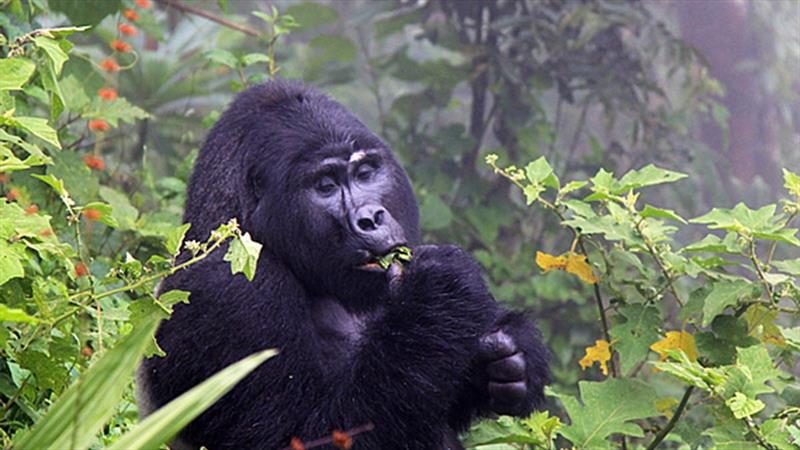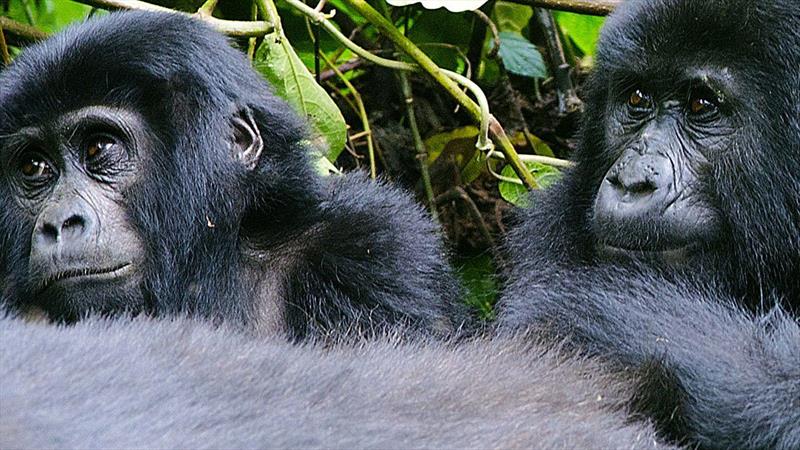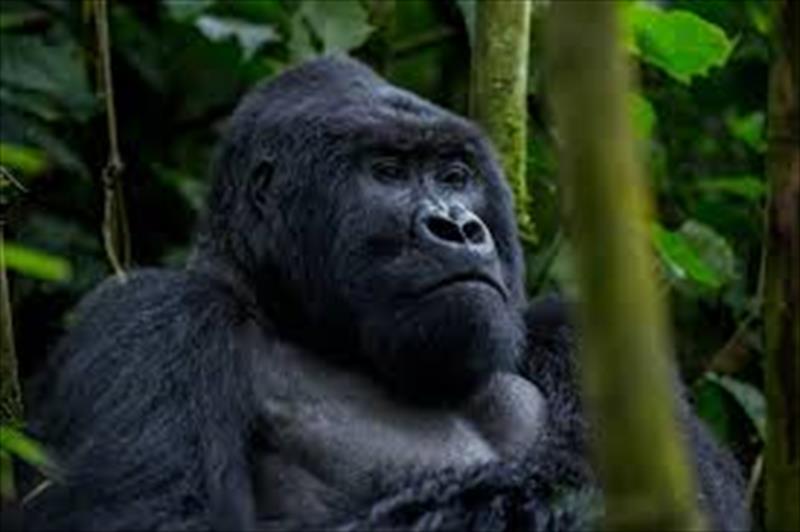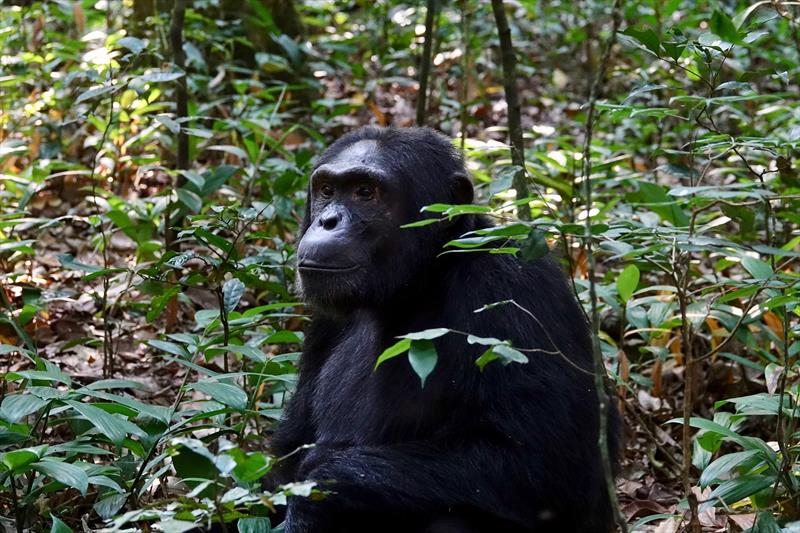
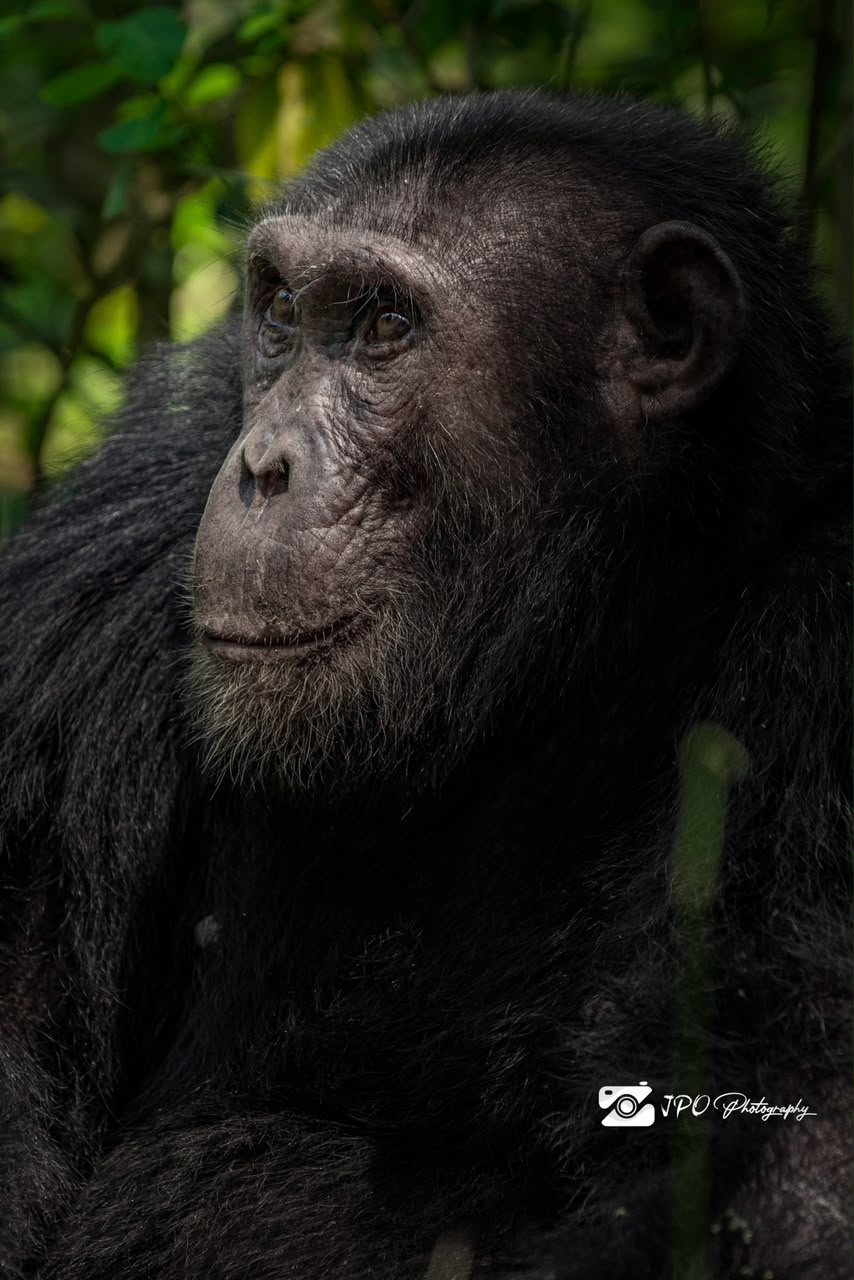
Imagine Looking Into the Eyes of a Chimpanzee…
There are few wildlife experiences as powerful as locking eyes with a wild chimpanzee. In that brief moment, it’s impossible not to notice the striking similarities between them and us their expressions, curiosity, and interactions with one another.
Chimpanzees are not only fascinating animals; they are our closest living relatives. Their intelligence, emotional depth, and complex social lives have captivated scientists and travelers alike for decades.
If you’ve ever wondered why chimpanzees are considered one of the world’s most extraordinary species, this guide will take you through everything you need to know from where they live and how they communicate to the conservation efforts helping secure their future.
What Are Chimpanzees?
Chimpanzees (Pan troglodytes) belong to the family of great apes, alongside humans, gorillas, orangutans, and bonobos.
They share approximately 98.8% of their DNA with humans, making them one of our closest living relatives.
This close genetic relationship explains why chimpanzees display many human-like behaviors, including:
- Using tools
- Showing empathy
- Solving problems
- Forming friendships
- Caring for family members
- Learning from one another
Their intelligence continues to amaze researchers around the world.
Where Do Chimpanzees Live?
Chimpanzees are found only in Africa, inhabiting tropical rainforests, woodlands, and savannah forests across 21 countries.
Some of the best-known chimpanzee habitats include:
- Uganda
- Tanzania
- Rwanda
- Democratic Republic of Congo
- Cameroon
- Gabon
- Nigeria
- Guinea
- Sierra Leone
- Liberia
- Côte d’Ivoire
Among these destinations, Uganda is widely recognized as one of Africa’s premier chimpanzee-tracking destinations, thanks to its protected forests and thriving populations.
If you’re planning a wildlife holiday, explore our Chimpanzee Tracking Tours:
https://adventripuganda.com/chimpanzee-tracking/
Why Are Chimpanzees So Intelligent?
Chimpanzees possess one of the most advanced brains in the animal kingdom.
Scientists have observed them:
- Crafting tools from sticks
- Fishing termites from mounds
- Cracking nuts using stones
- Creating leaf sponges to drink water
- Hunting cooperatively
- Planning ahead
- Teaching their young
- Recognizing themselves in mirrors
Research has also shown that chimpanzees can remember hundreds of individuals within their communities and solve surprisingly complex puzzles.
Their intelligence offers valuable insights into the evolution of human behavior.
Life Inside a Chimpanzee Community
Chimpanzees rarely live alone.
Instead, they form communities of 20 to more than 100 members, each with its own social hierarchy.
Within these groups, chimpanzees:
- Build lifelong friendships
- Groom one another
- Protect their young
- Cooperate during hunts
- Share food
- Resolve conflicts peacefully
- Comfort distressed companions
Watching these interactions in the wild is one of the reasons chimpanzee tracking is such an unforgettable experience.
How Do Chimpanzees Communicate?
Chimpanzees communicate using a sophisticated combination of:
- Facial expressions
- Body language
- Gestures
- Touch
- Vocalizations
Researchers have identified more than 30 different calls, each carrying a different meaning.
The famous pant-hoot can travel through dense forests for several kilometers, helping communities stay connected.
Their ability to communicate emotions and intentions is one of the many traits they share with humans.
What Do Chimpanzees Eat?
Chimpanzees are omnivores, but fruit makes up the largest part of their diet.
They also consume:
- Leaves
- Flowers
- Bark
- Seeds
- Honey
- Insects
- Eggs
- Small mammals
Their varied diet helps them thrive in different forest ecosystems across Africa.
Why Are Chimpanzees Endangered?
Despite their remarkable adaptability, chimpanzees face numerous threats.
Habitat Loss
Forests continue to disappear due to agriculture, logging, and expanding human settlements.
Illegal Hunting
Chimpanzees are hunted for bushmeat in some regions, reducing already vulnerable populations.
Illegal Wildlife Trade
Young chimpanzees are sometimes captured for the exotic pet trade, often after adult family members are killed.
Human Diseases
Because chimpanzees are genetically similar to humans, illnesses such as influenza and respiratory infections can spread between species.
Climate Change
Changing weather patterns affect forests, food availability, and breeding success.
Today, scientists estimate there are only 170,000–300,000 wild chimpanzees remaining, and the species is classified as Endangered.
Why Conservation Matters
Chimpanzees play a vital role in maintaining healthy forests.
As they feed on fruit, they disperse seeds across vast areas, helping forests regenerate naturally.
Protecting chimpanzees also protects:
- Forest ecosystems
- Birds
- Other primates
- Endangered mammals
- Water sources
- Local communities that depend on healthy forests
Every conservation success benefits an entire ecosystem not just one species.
Responsible Tourism Makes a Difference
One of the most effective ways to protect chimpanzees is through responsible wildlife tourism.
When travelers choose ethical chimpanzee-tracking experiences, their permit fees help fund:
- Wildlife conservation
- Ranger patrols
- Forest protection
- Community development
- Scientific research
- Environmental education
By visiting protected areas responsibly, travelers contribute directly to safeguarding chimpanzee habitats for future generations.
Planning your next wildlife adventure? Browse our Uganda Safari Packages:
https://adventripuganda.com/uganda-safaris/
Where Can You See Chimpanzees in Uganda?
Uganda offers several outstanding destinations for observing chimpanzees in the wild.
Popular locations include:
- Kibale National Park – Home to one of Africa’s highest densities of chimpanzees.
- Budongo Forest – Easily combined with a visit to Murchison Falls National Park.
- Kyambura Gorge – A unique rainforest within Queen Elizabeth National Park.
- Kalinzu Forest Reserve – A quieter, budget-friendly alternative with excellent tracking opportunities.
You can also combine chimpanzee tracking with:
- Gorilla Trekking in Bwindi
https://adventripuganda.com/gorilla-trekking-uganda/ - Murchison Falls Safaris
https://adventripuganda.com/murchison-falls-national-park/ - Queen Elizabeth National Park Tours
https://adventripuganda.com/queen-elizabeth-national-park/
These combinations create an unforgettable Ugandan safari experience.
Why Travel with Adventrip Uganda?
At Adventrip Uganda, we believe every safari should inspire, educate, and create lasting memories.
Whether you’re interested in chimpanzee tracking, gorilla trekking, wildlife safaris, or cultural experiences, our experienced team designs personalized itineraries that showcase the very best of Uganda.
With Adventrip Uganda, you can expect:
- Expert local guides
- Comfortable transportation
- Carefully selected accommodation
- Hassle-free permit arrangements
- Flexible itineraries
- Exceptional customer service from start to finish
Start planning your adventure today:
https://adventripuganda.com/contact-us/