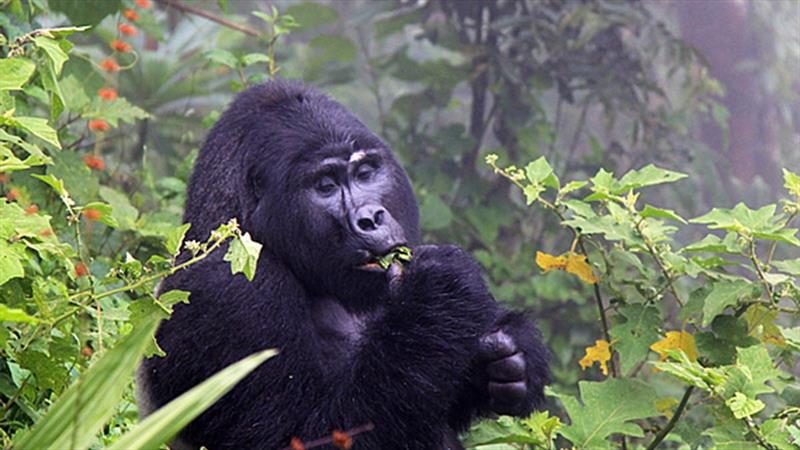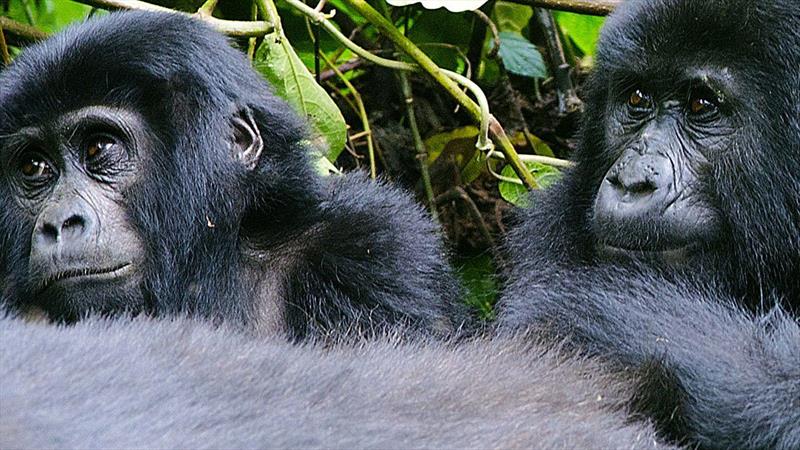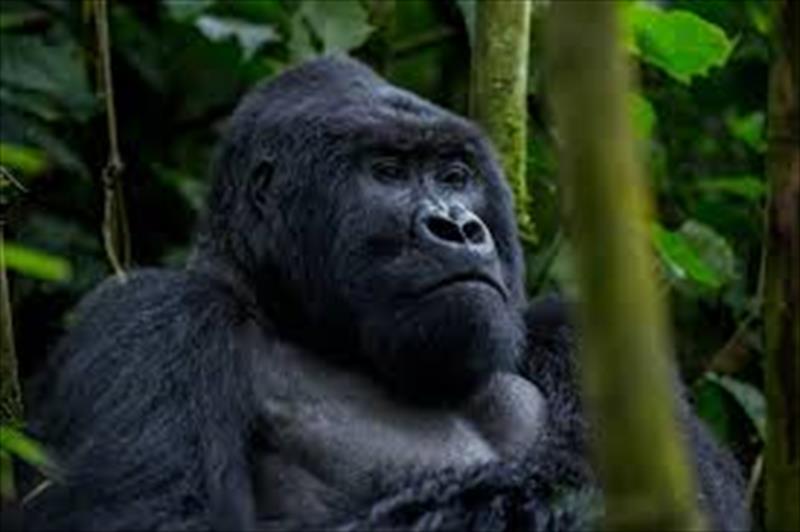
Gorilla trekking in Uganda is one of Africa’s most powerful wildlife experiences. Deep in the rainforests of Bwindi Impenetrable National Park and Mgahinga Gorilla National Park, visitors hike through thick vegetation in search of endangered mountain gorillas. Once located, you are allowed one unforgettable hour in their presence.
Because trekking involves navigating steep, muddy, and sometimes slippery terrain, packing the right items is essential for comfort, safety, and an enjoyable experience.
Here is exactly what you should pack for your gorilla trekking safari in Uganda:
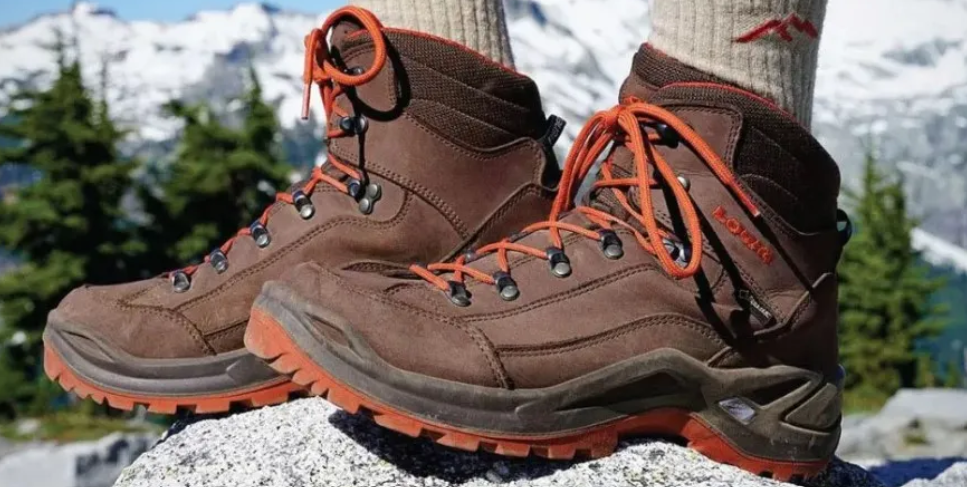
1. Waterproof Hiking Boots
A strong pair of waterproof hiking boots with good ankle support is non-negotiable. The forest trails can be muddy and uneven. Proper boots protect you from slipping and from injuries caused by sharp branches and rough terrain.
2. Long-Sleeved Shirts and Trousers
Wear lightweight, breathable long sleeves and trousers to protect your skin from insect bites, stinging nettles, and thorny plants. Neutral colors like green, brown, or khaki are recommended.
3. Waterproof Jacket or Poncho
Uganda’s gorilla parks are tropical rainforests, meaning rain can fall at any time—even during the dry season. A light waterproof jacket will keep you dry and comfortable.
4. Gorilla Trekking Permit
Your gorilla permit is mandatory. Without it, you cannot participate in the trek. Always carry it along with your passport for verification at the park headquarters.
5. Daypack (Small Backpack)
A comfortable waterproof backpack is useful for carrying:
- Drinking water
- Snacks
- Rain jacket
- Camera
- Insect repellent
- Extra batteries
Keep it light but practical.
6. Drinking Water (At Least 2 Liters)
Gorilla trekking can take anywhere from 2 to 6 hours, depending on where the gorilla family is located. Staying hydrated is extremely important.
7. Energy Snacks
Pack energy-giving snacks such as nuts, chocolate bars, protein bars, or fruits. Trekking through dense forest can be physically demanding, and you’ll need the extra energy.
Always carry your trash back out of the park to protect the environment.
8. Walking Stick
A walking stick helps with balance on steep and slippery slopes. You can bring your own or hire one at the park headquarters. Hiring a porter is also highly recommended—they carry your bag and assist you through difficult sections while supporting the local community.
9. Hat or Cap
A hat protects you from direct sunlight and dripping water from the forest canopy.
10. Sunglasses
During the dry season, sunlight can be strong, especially in open areas. Sunglasses help protect your eyes.
11. Insect Repellent
Mosquitoes and other insects are common in rainforest environments. A good insect repellent will make your trek much more comfortable.
12. Camera (No Flash)
A camera is essential for capturing this once-in-a-lifetime encounter. However, flash photography is strictly prohibited, as it can disturb the gorillas. Bring extra batteries since there are no charging facilities in the forest.
Final Travel Tip
Gorilla trekking in Uganda is not just a safari activity it’s an emotional, conservation-driven experience that connects you directly with one of the world’s most endangered species. Packing correctly ensures you stay comfortable and fully present when that magical moment arrives.
ysa