Why Responsible Tourism Matters
At Adventrip Uganda Ltd, we believe that travel should leave a positive impact wherever it goes. Every safari, cultural tour, trekking adventure, and wildlife experience should not only create unforgettable memories for our guests but also benefit the people, wildlife, and environments that make these destinations so special.
Tourism has the power to transform communities, support conservation efforts, create employment, and preserve cultural heritage. That is why responsible tourism is at the heart of everything we do.
Supporting Local Communities
Wherever possible, Adventrip works with local people and locally owned businesses throughout Uganda and East Africa. From accommodation providers and community guides to craft makers and cultural performers, we prioritize partnerships that ensure tourism benefits remain within the destination.
By choosing local partners, our guests enjoy:
- More authentic cultural experiences
- Genuine interactions with local communities
- Unique insights into daily life and traditions
- Better support for local economies
When tourism directly benefits communities, local people become active custodians of their culture, wildlife, and natural environments. This creates a sustainable cycle where tourism supports conservation and conservation supports tourism.
We also make every effort to avoid activities that exploit local communities or create “tourist traps” that provide little benefit to residents.
Our Commitment to Responsible Tourism
At Adventrip, we are committed to ensuring that every journey contributes positively to the destinations we visit.
We Prioritize Local Partnerships
We actively seek partnerships with:
- Locally owned lodges and accommodation facilities
- Community-based tourism initiatives
- Local guides, drivers, and cultural experts
- Family-owned restaurants and businesses
This approach helps keep tourism revenue within local communities where it can create lasting positive change.
Fair Employment Practices
We believe that tourism should provide dignified and rewarding employment opportunities.
We are committed to:
- Fair wages
- Safe working conditions
- Respectful treatment of staff and partners
- Professional development opportunities
Protecting Wildlife and Nature
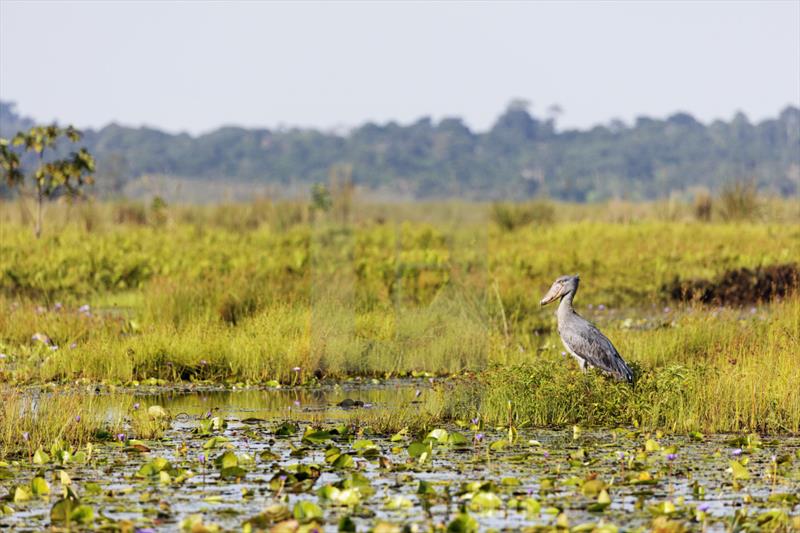
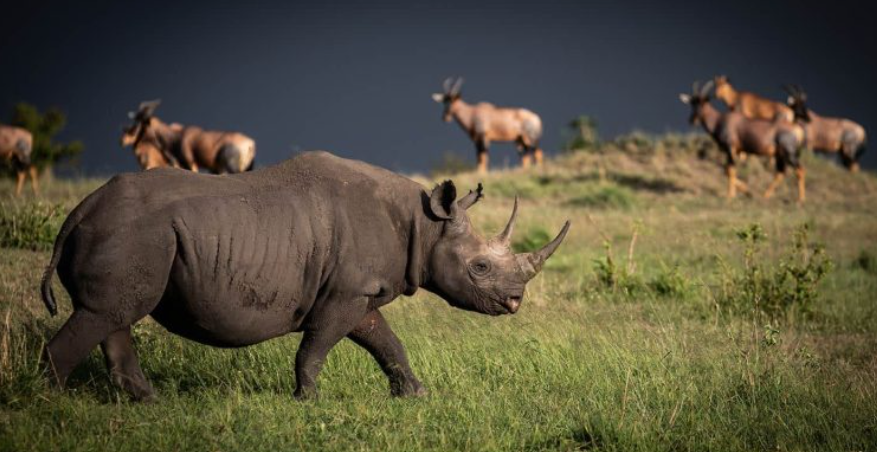
Uganda is home to some of the world’s most remarkable wildlife, from mountain gorillas and chimpanzees to elephants, lions, and countless bird species.
We support responsible wildlife tourism by:
- Promoting ethical wildlife viewing
- Supporting conservation initiatives
- Encouraging respect for protected areas
- Working with partners committed to sustainable environmental practices
Supporting Community Initiatives
Across Uganda, many communities have developed projects that preserve culture and generate income through tourism.
These include:
- Community craft centers
- Cultural villages
- Homestay experiences
- Wildlife conservation programs
- Women’s empowerment groups
Whenever possible, we encourage our guests to support these initiatives during their travels.
Reducing Environmental Impact
Responsible tourism also means reducing our own environmental footprint.
We encourage:
- Recycling and waste reduction
- Responsible energy use
- Water conservation
- Reduced use of single-use plastics
- Environmentally friendly office practices
We also support efforts to reduce carbon emissions and encourage travelers to consider carbon-offsetting options for their flights.
Respecting Human Rights
Adventrip is committed to conducting business ethically and responsibly.
We respect human rights throughout our operations and maintain strong expectations for our suppliers, partners, and service providers. We do not tolerate any form of exploitation, forced labor, human trafficking, or modern slavery.
We continuously strive to work with partners who share these values and uphold ethical business practices.
How Travelers Can Make a Positive Difference
Responsible travel is a shared responsibility. Small actions by travelers can have a significant impact on local communities and environments.
Ask Before Taking Photos
One of the simplest ways to show respect is to always ask permission before photographing people.
Many people are happy to share their culture and traditions, but obtaining consent demonstrates courtesy and respect.
Learn About Local Culture
Understanding local customs and traditions can greatly enrich your travel experience.
Simple gestures such as:
- Learning a few local greetings
- Dressing appropriately
- Respecting cultural norms
- Being open-minded
can create meaningful connections with local communities.
Support Local Businesses
One of the most effective ways to ensure tourism benefits communities is by spending locally.
Choose:
- Locally owned restaurants
- Community craft shops
- Local markets
- Indigenous cultural experiences
Purchasing locally made products helps support families and preserves traditional skills.
Reduce Waste
Travelers can help protect destinations by:
- Carrying reusable water bottles
- Avoiding unnecessary packaging
- Recycling whenever possible
- Properly disposing of waste
Even small changes can make a significant difference.
Conserve Water and Energy
Many destinations face challenges with water and energy resources.
Simple actions such as:
- Reusing towels when possible
- Turning off lights and air conditioning when leaving a room
- Taking shorter showers
help reduce environmental impact.
Respect Wildlife and Protected Areas
Uganda’s national parks and reserves are among Africa’s greatest treasures.
Visitors can help protect them by:
- Staying on designated paths
- Following guide instructions
- Keeping noise levels low
- Maintaining appropriate distances from wildlife
- Never feeding animals
Responsible wildlife viewing ensures future generations can enjoy these incredible experiences.
Avoid Illegal Wildlife Products
Products made from endangered animals or protected plants contribute to illegal wildlife trade and environmental destruction.
Avoid purchasing:
- Ivory products
- Animal skins
- Protected plant products
- Wildlife souvenirs of questionable origin
Choosing not to buy these items helps protect vulnerable species.
Give Responsibly
While it may be tempting to give money directly to children or individuals, this can sometimes create unintended challenges within communities.
Instead, consider supporting reputable community projects, schools, conservation programs, or local charities. Our team is always happy to recommend initiatives making a genuine difference.
Travel That Creates Positive Change
At Adventrip Uganda Ltd, we believe that tourism should be a force for good.
Every responsible choice made by travelers, guides, accommodation providers, and tour operators contributes to protecting wildlife, preserving cultures, supporting livelihoods, and safeguarding destinations for future generations.
When you travel with Adventrip, you are not simply visiting a destination—you are becoming part of a movement that values conservation, community empowerment, and sustainable tourism.
Together, we can explore Uganda and Africa responsibly while ensuring that the places we love continue to thrive for years to come.