Why Are Long-Horned Cattle So Special in Uganda?
Long-horned cattle are not just animals grazing across Uganda’s countryside; they are living symbols of culture, resilience, and pride. Their sweeping horns cut dramatic silhouettes against golden sunsets, creating one of the most iconic images of rural East Africa. For travelers seeking authentic cultural experiences, these cattle offer a deeper understanding of Uganda beyond wildlife safaris.
The Magnificent Ankole Long-Horned Cattle
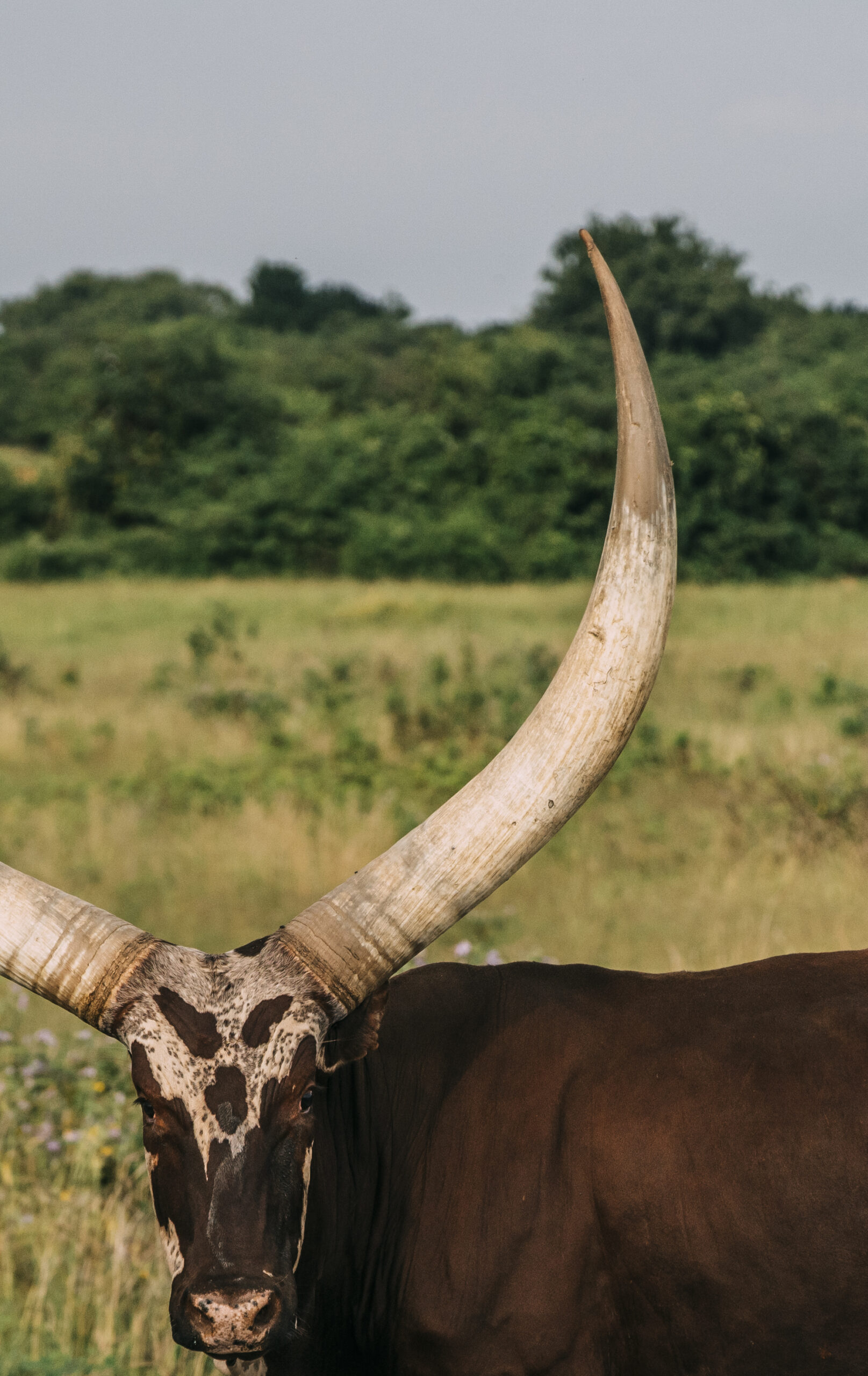
The most famous breed is the Ankole cattle, sometimes referred to as Ankole-Watusi. These cattle are instantly recognizable for their:
- Massive, symmetrical horns that can grow up to 8 feet wide
- Elegant posture and calm temperament
- Rich reddish-brown, white, or speckled coats
- Exceptional adaptation to dry and hot environments
The Science Behind the Horns
The horns of Ankole cattle are not just decorative. They contain a network of blood vessels that help regulate body temperature. As blood circulates through the wide horn surface, heat is released, allowing the animal to stay cool in Uganda’s warm climate. This natural cooling system makes them highly resilient in semi-arid areas.
A Deep Cultural Connection
In the Ankole region, cattle are far more than livestock; they represent wealth, honor, and family heritage. Among the Banyankole people:
- Cattle are used in traditional marriage ceremonies as bride price.
- Herd size often reflects social status.
- Special praise poems are composed for outstanding bulls.
- Families name their cows and develop emotional bonds with them.
The sound of cattle bells in the early morning and the sight of herders guiding their animals across open fields are timeless scenes that have defined life in western Uganda for generations.
Economic Importance of Long-Horned Cattle
While modern dairy farming has introduced other breeds, Ankole cattle remain highly valued for:
- High-quality organic milk
- Lean meat
- Resistance to diseases and harsh weather
- Low maintenance feeding requirements
Their ability to survive with minimal water and pasture makes them ideal for rural communities facing climate variability.
Where Can Travelers Experience Long-Horned Cattle?
Visitors can encounter these magnificent animals in several locations, especially around:
- Mbarara, often considered the heartland of cattle culture
- Lake Mburo National Park, where wildlife and Ankole herds coexist
- Rural farms throughout southwestern Uganda
A stop at Lake Mburo National Park offers a unique contrast: zebras and giraffes roam nearby while long-horned cattle graze peacefully outside the park boundaries. This blend of wildlife and pastoral life creates a well-rounded safari experience.
Cultural Tourism Experiences You Can Include
At Adventrip, we encourage travelers to go beyond traditional game drives. A cultural cattle experience can include:
- Visiting a local homestead
- Learning traditional milking techniques
- Tasting fresh, locally processed dairy products
- Listening to stories about cattle inheritance and family lineage
- Observing traditional kraals (cattle enclosures)
These interactions allow visitors to understand how cattle shape identity, daily routines, and community relationships.
Conservation and Modern Challenges
Despite their cultural importance, long-horned cattle face challenges:
- Crossbreeding with exotic dairy breeds
- Shrinking grazing land due to urban expansion
- Climate change is affecting pasture availability
However, conservation efforts and cultural pride continue to protect the breed. Many farmers now combine traditional practices with modern veterinary care to ensure the survival of pure Ankole bloodlines.
Why Long-Horned Cattle Matter to Uganda’s Story
Uganda’s tourism is often associated with gorillas, lions, and waterfalls, but long-horned cattle tell another equally powerful story. They represent:
- Harmony between humans and nature
- Generational knowledge and tradition
- Resilience in changing times
When you see the wide horns of Ankole cattle stretching toward the horizon, you are witnessing a legacy that has shaped southwestern Uganda for centuries.
Discover Cultural Uganda with Adventrip
A journey through western Uganda is incomplete without experiencing its cattle heritage. Combine wildlife in Lake Mburo National Park, community visits near Mbarara, and scenic drives through the Ankole region for a safari that blends culture, history, and breathtaking landscapes.
With Adventrip, you don’t just see Uganda, you experience its living traditions.