Why Is Lake Nakuru Called the Jewel of Kenya’s Rift Valley?
When people think of Kenya, images of vast savannahs, the Great Migration, and the iconic Big Five often come to mind. However, nestled within the breathtaking Great Rift Valley lies one of the country’s most treasured natural attractions—Lake Nakuru National Park. Often referred to as “The Jewel of Kenya’s Rift Valley,” this remarkable destination is celebrated for its stunning landscapes, abundant wildlife, and rich birdlife.
But what exactly makes Lake Nakuru deserving of this prestigious title? The answer lies in its unique location, spectacular scenery, thriving ecosystems, and successful conservation efforts.
Understanding Kenya’s Great Rift Valley
To appreciate why Lake Nakuru is considered the jewel of the Rift Valley, it’s important to understand the region itself.
The Great Rift Valley is one of the most extraordinary geological formations on Earth. Stretching approximately 6,000 kilometers from the Middle East through East Africa to Mozambique, it was formed millions of years ago by the movement of tectonic plates.
Kenya is home to one of the most scenic sections of the Great Rift Valley. Here, dramatic escarpments, volcanic mountains, fertile plains, and alkaline lakes create breathtaking landscapes unlike anywhere else in Africa.
Lake Nakuru sits almost perfectly within this magnificent valley, making it one of its most famous natural landmarks.
A Stunning Rift Valley Landscape
One of the first things visitors notice about Lake Nakuru is its incredible scenery.
Unlike many African national parks that consist mainly of open plains, Lake Nakuru offers a remarkable combination of:
- Rolling hills
- Rocky escarpments
- Acacia woodlands
- Euphorbia forests
- Open grasslands
- A shimmering alkaline lake
The surrounding cliffs of the Rift Valley provide panoramic views over the entire park, creating one of Kenya’s most photographed landscapes.
Whether viewed from the famous Baboon Cliff viewpoint or during a game drive around the lakeshore, every angle showcases the dramatic beauty that defines the Great Rift Valley.
A Lake Like No Other
At the heart of the park lies Lake Nakuru, a shallow alkaline lake that supports one of East Africa’s richest ecosystems.
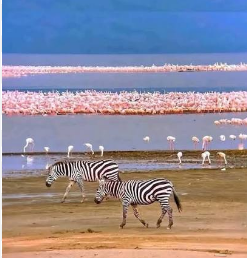
The lake’s alkaline waters encourage the growth of microscopic algae, which provide food for thousands of water birds. Although flamingo numbers vary throughout the year due to changing water levels and food availability, Lake Nakuru remains one of Africa’s most famous birdwatching destinations.
The lake itself reflects the surrounding hills and changing skies, producing spectacular sunrises and sunsets that attract photographers from around the world.
Home to an Incredible Variety of Wildlife
Lake Nakuru National Park is much more than a beautiful lake. It is one of Kenya’s premier wildlife destinations.
Despite covering only about 188 square kilometers, the park supports an impressive diversity of mammals.
Visitors commonly encounter:
- White rhinos
- Black rhinos
- Lions
- Leopards
- African buffaloes
- Rothschild’s giraffes
- Zebras
- Waterbucks
- Impalas
- Warthogs
- Olive baboons
- Vervet monkeys
- Hyenas
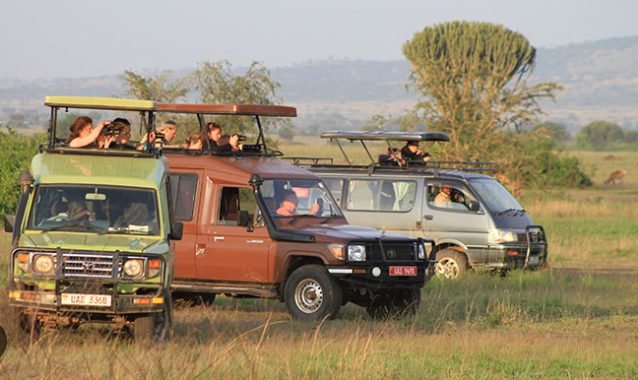
The park’s compact size makes wildlife relatively easy to find, allowing visitors to enjoy exceptional game viewing in just a single day.
Kenya’s Rhino Sanctuary
One of the biggest reasons Lake Nakuru is considered a jewel is its outstanding contribution to wildlife conservation.
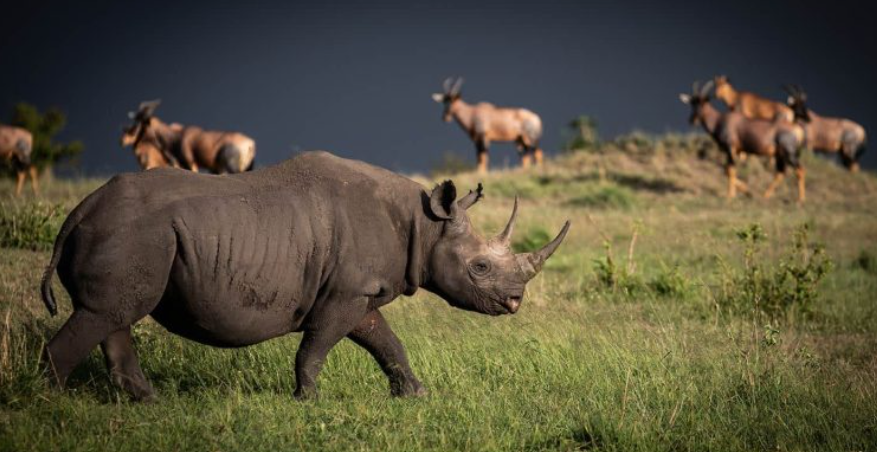
The park is one of Kenya’s most successful rhino sanctuaries and plays a crucial role in protecting both white and black rhinos from extinction.
Visitors have one of the highest chances in East Africa of seeing these magnificent endangered animals up close in their natural environment.
The park’s conservation programs have become a model for rhino protection across Africa.
A Birdwatcher’s Paradise
Lake Nakuru has earned international recognition as one of Africa’s finest birdwatching destinations.
More than 450 bird species have been recorded within the park.
Some of the most commonly seen birds include:
- Greater flamingos
- Lesser flamingos
- Great white pelicans
- African fish eagles
- Yellow-billed storks
- Marabou storks
- Hamerkops
- Herons
- Kingfishers
- Cormorants
The diversity of birdlife attracts ornithologists, photographers, and nature lovers from every corner of the world.
Spectacular Viewpoints
Few national parks offer viewpoints as breathtaking as those found in Lake Nakuru.
Among the most famous is Baboon Cliff, where visitors can enjoy sweeping panoramic views across the lake, forests, and surrounding Rift Valley escarpments.
Other scenic spots include:
- Lion Hill
- Out of Africa Lookout
- Makalia Falls
- The lakeshore viewpoints
Each offers a unique perspective of one of Kenya’s most beautiful landscapes.
Rich Biodiversity in a Small Area
Unlike some of Africa’s enormous national parks, Lake Nakuru packs an incredible variety of habitats into a relatively small area.
Within a single game drive, visitors can experience:
- Wetlands
- Forests
- Savannah grasslands
- Rocky hills
- Lake shores
- Riverine vegetation
These diverse habitats support an astonishing range of wildlife and make every safari unique.
Easy Accessibility
Another reason Lake Nakuru has become one of Kenya’s most popular parks is its convenient location.
Situated about 160 kilometers from Nairobi, the park can be reached in approximately three hours by road.
This accessibility makes it ideal for:
- Day trips
- Weekend safaris
- Family holidays
- Photography tours
- Birdwatching excursions
- Multi-park Kenya safaris
Its excellent road network and well-developed tourism infrastructure make it one of the easiest parks to explore.
The Perfect Addition to an East African Safari
Many travelers combine Lake Nakuru with other iconic destinations to create the ultimate East African adventure.
Popular combinations include:
- Maasai Mara National Reserve for the Great Migration and Big Cats
- Lake Naivasha for boat cruises and hippos
- Hell’s Gate National Park for cycling and hiking
- Amboseli National Park for elephant encounters beneath Mount Kilimanjaro
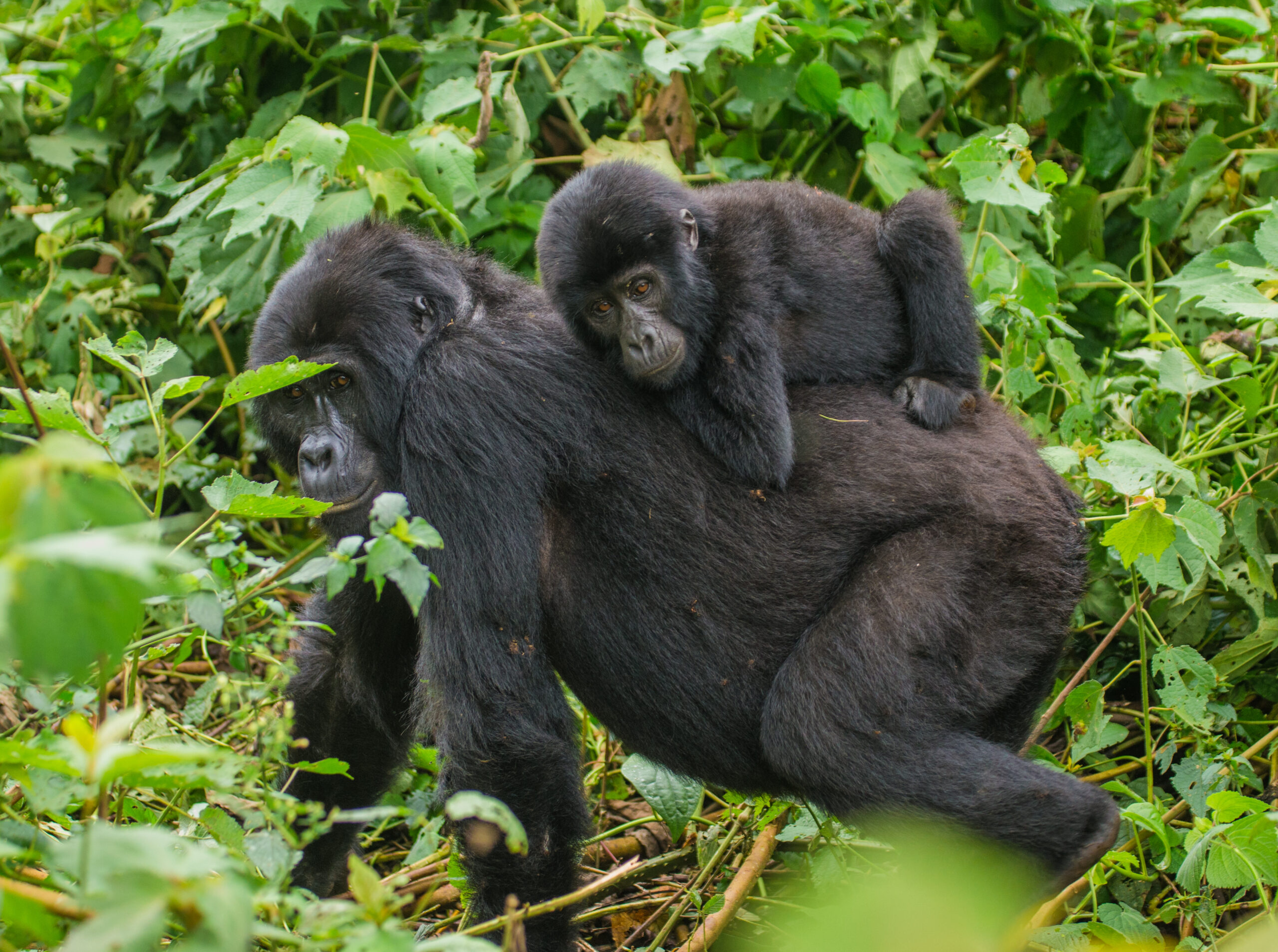
- Bwindi Impenetrable National Park for unforgettable gorilla trekking in Uganda
This combination allows visitors to experience Kenya’s classic savannah wildlife alongside Uganda’s world-famous mountain gorillas and chimpanzees.
Best Time to Visit
Lake Nakuru National Park is a year-round destination.
Dry Season (June to October and January to February)
This is considered the best time for:
- Wildlife viewing
- Photography
- Game drives
- Comfortable weather
Animals gather around water sources, making sightings easier.
Green Season (March to May and November to December)
The rainy months bring:
- Lush green landscapes
- Excellent birdwatching
- Fewer tourists
- Beautiful scenery
Photographers especially enjoy the vibrant colors during this period.
Why Every Traveler Should Visit Lake Nakuru
Lake Nakuru National Park offers far more than a traditional safari.
Here, visitors experience dramatic Rift Valley landscapes, endangered rhinos, abundant birdlife, stunning viewpoints, and unforgettable wildlife encounters—all within one easily accessible destination.
Whether you are traveling as a couple, family, photographer, birder, or first-time safari enthusiast, Lake Nakuru delivers an experience that perfectly represents the beauty and diversity of Kenya.
Its unique blend of natural beauty, geological significance, conservation success, and exceptional biodiversity truly makes it the Jewel of Kenya’s Rift Valley.