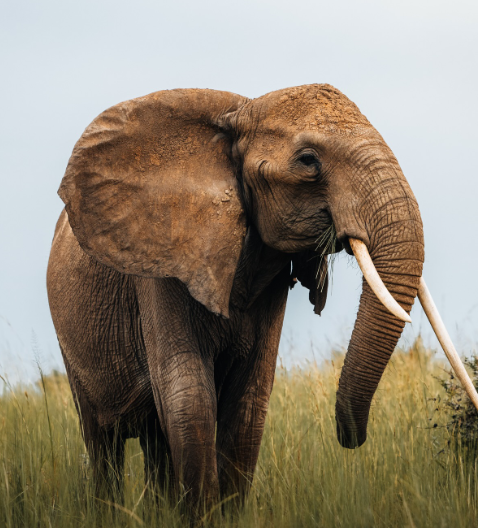
Uganda is often described as Africa’s best-kept secret. Nicknamed the Pearl of Africa, it is a country blessed with breathtaking landscapes, incredible wildlife, vibrant cultures, and some of the friendliest people you will ever meet. Yet despite everything it has to offer, many travelers arrive knowing very little about what to expect.
Like many first-time visitors, I had heard about mountain gorillas, safaris, and the source of the Nile. I imagined long game drives and beautiful national parks. While all of those expectations were met and exceeded, I quickly realized there was so much more to Uganda than guidebooks had prepared me for.
If you’re planning your first visit, here are the things I genuinely wish I had known before visiting Uganda. They would have made my journey smoother, more enjoyable, and even more memorable.
Uganda Is Far More Diverse Than You Imagine
Before arriving, I thought Uganda was simply a safari destination.
In reality, Uganda is like several countries rolled into one.
Within a single week, you can trek through ancient rainforests searching for endangered mountain gorillas, cruise alongside hippos on tranquil waterways, hike snow-capped mountains near the equator, raft some of the world’s most exciting rapids, visit traditional kingdoms, relax beside volcanic crater lakes, and enjoy bustling city life in Kampala.
Every region offers something completely different, making Uganda one of Africa’s most diverse destinations.
Gorilla Trekking Is Worth Every Penny
Many travelers hesitate because of the permit cost.
I almost did too.
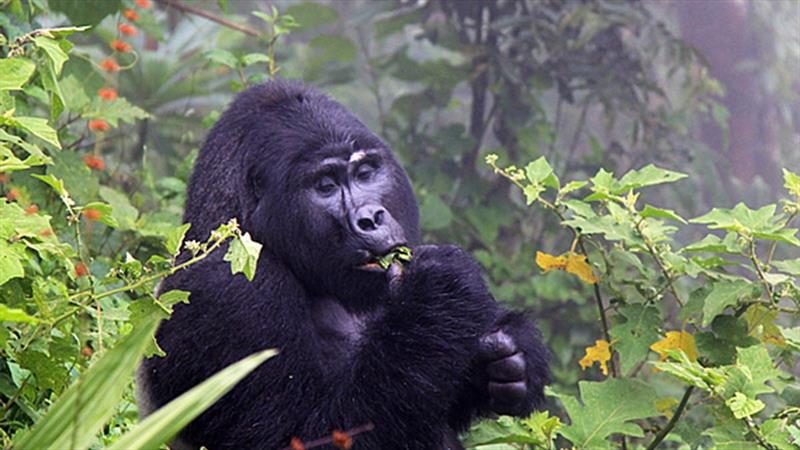
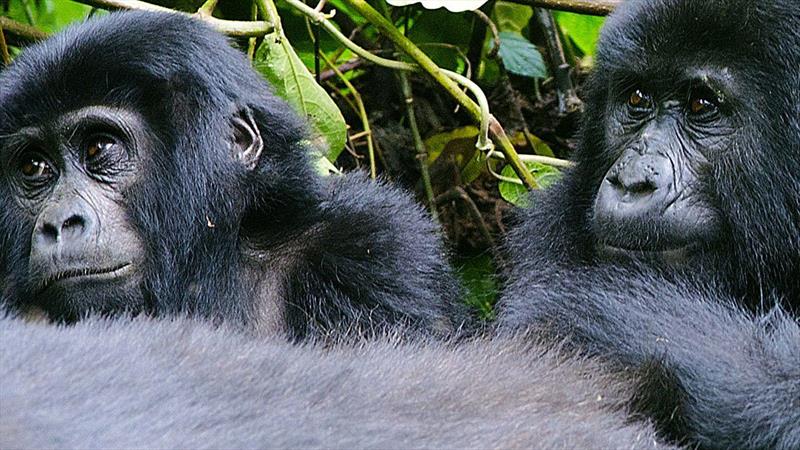
After spending one magical hour with a family of mountain gorillas, I understood why people describe it as one of the greatest wildlife experiences on Earth.
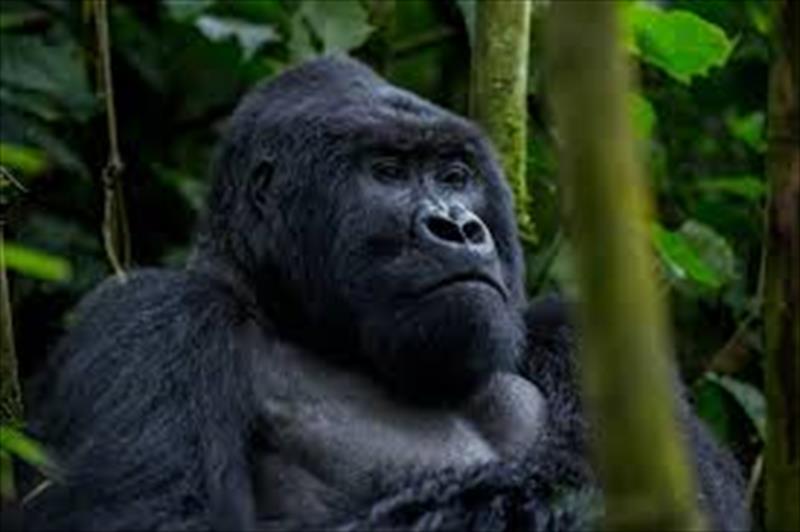
Watching a massive silverback peacefully observe his family just meters away is something no photograph or documentary can truly prepare you for.
One important lesson is to book your gorilla permit several months in advance, especially if you plan to travel during peak seasons.
Ugandans Will Make You Feel at Home
One thing that surprised me almost immediately was the kindness of the people.
Whether walking through a village, shopping in a market, or stopping at a roadside fruit stand, people greet visitors warmly.
Hospitality is deeply embedded in Ugandan culture.
Don’t be surprised if someone welcomes you with genuine curiosity and offers directions, conversation, or even fresh fruit.
It is this warmth that many travelers remember long after returning home.
Distances Can Be Deceiving
Looking at a map can be misleading.
A destination that appears only a few hundred kilometers away might take six to eight hours to reach.
Uganda’s roads vary from modern highways to winding mountain roads and dirt tracks inside national parks.
Rather than rushing from one destination to another, it’s better to embrace the journey.
The scenery changes constantly, making every drive part of the adventure.
You’ll pass tea plantations, banana farms, cattle ranches, forests, crater lakes, and small villages, each offering a glimpse into everyday Ugandan life.
Wildlife Exists Beyond the National Parks
One of my biggest surprises was how much wildlife I encountered outside protected areas.
Baboons casually crossed highways.
Vervet monkeys played in roadside trees.
Long-horned Ankole cattle grazed across open fields.
Colorful birds appeared almost everywhere.
Nature is simply part of everyday life in Uganda.
Uganda Is One of Africa’s Greatest Birding Destinations
Even if you’re not a birdwatcher, Uganda might turn you into one.
With more than 1,000 bird species recorded, the country is considered one of the finest birding destinations in Africa.
From tiny kingfishers to majestic fish eagles and the legendary Shoebill Stork, birdlife is everywhere.
Many visitors who come for gorillas leave equally impressed by Uganda’s incredible biodiversity.
Cash Is Still Very Important
Although hotels and larger businesses often accept credit cards, many smaller establishments do not.
Markets, local restaurants, souvenir shops, roadside vendors, and community projects usually prefer cash.
Having Ugandan Shillings on hand makes traveling much easier.
ATMs are available in major towns but become scarce in remote safari areas.
Pack for Every Type of Weather
I assumed Uganda would always be hot.
I couldn’t have been more wrong.
The country has several climate zones.
During one trip, you might experience:
- Bright sunshine on the savannah
- Heavy tropical rain in the rainforest
- Cold mornings in Bwindi
- Cool evenings near crater lakes
- Warm afternoons in Kampala
Packing layers, a waterproof jacket, sturdy hiking boots, and lightweight clothing is the best approach.
Food Is Better Than I Expected
Ugandan cuisine deserves far more international recognition.
Fresh ingredients are everywhere, and meals are hearty, flavorful, and satisfying.
Some dishes you shouldn’t miss include:
- Rolex (Uganda’s famous rolled chapati and eggs)
- Matoke
- Luwombo
- Groundnut sauce
- Posho
- Fresh tilapia
- Grilled goat
Then there are the fruits.
Ugandan pineapples, mangoes, avocados, passion fruits, and bananas are among the freshest and sweetest you’ll ever taste.
Internet Is Surprisingly Reliable
I expected to disconnect completely.
Instead, I found Wi-Fi in many hotels, lodges, cafés, and restaurants.
Purchasing a local SIM card provides affordable internet access across much of the country, making it easy to stay connected while traveling.
Uganda’s Cultural Diversity Is Incredible
Many visitors don’t realize Uganda has more than 50 different tribes, each with its own language, traditions, music, dances, and customs.
Every region introduces you to a unique cultural identity.
One day you may watch traditional drumming performances, while another day you may participate in community experiences or local cooking lessons.
Visitors are often invited to wear traditional clothing during cultural visits, providing a deeper appreciation of Uganda’s heritage. Traditional attire such as the Gomesi, Kanzu, Mushanana, Suuka, and Karimojong dress each reflects the identity and history of different communities.
These authentic cultural interactions often become just as memorable as wildlife encounters.
Safaris Start Earlier Than You Think
Expect very early mornings.
Most game drives begin before sunrise because animals are most active during the cooler hours.
Although waking up at 5 a.m. might seem difficult, witnessing the African sunrise while elephants, lions, buffaloes, or giraffes begin their day is well worth it.
Uganda’s National Parks All Feel Different
One thing I wish I’d known is that every park offers a completely unique experience.
No two are alike.
Some specialize in gorillas.
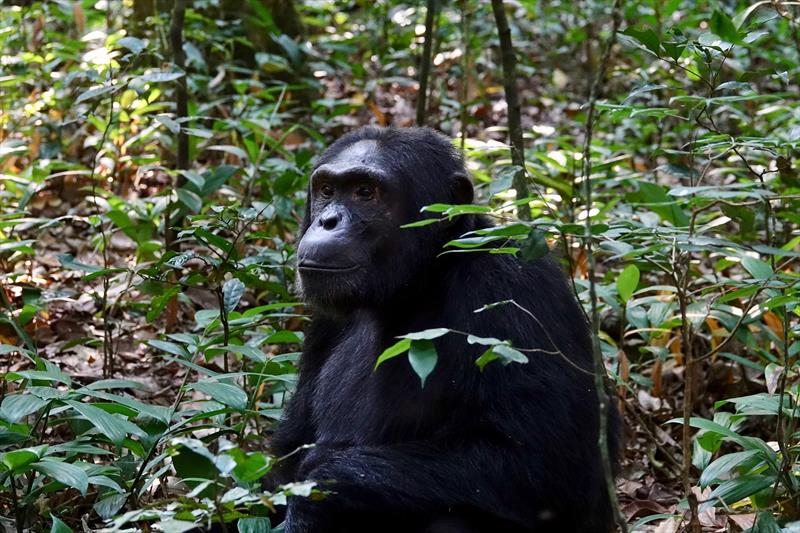
Others are famous for tree-climbing lions, chimpanzees, waterfalls, savannah wildlife, boat cruises, crater lakes, or birdlife.
Instead of choosing only one park, consider combining several destinations into one itinerary.
You’ll experience an incredible variety of landscapes and wildlife.
Slow Down and Enjoy the Journey
Uganda teaches patience.
Road journeys take time.
Wildlife appears when nature decides.
Village life moves at its own pace.
Instead of rushing through attractions, embrace the slower rhythm.
Some of my favorite memories weren’t planned at all.
They happened during roadside stops, conversations with locals, unexpected wildlife sightings, and spontaneous moments that no itinerary could predict.
Safety May Surprise You
Many first-time visitors arrive with concerns based on outdated stereotypes.
In reality, Uganda is one of East Africa’s friendliest destinations for tourists.
Like traveling anywhere, common sense is important.
Avoid displaying valuables, follow your guide’s advice, and respect local customs.
Most visitors complete their holidays without experiencing any problems.
Uganda Will Change the Way You See Africa
Perhaps the biggest surprise wasn’t the gorillas.
It wasn’t the safaris.
It wasn’t even the stunning scenery.
It was discovering a country that feels authentic, welcoming, peaceful, and wonderfully diverse.
Uganda isn’t a destination built around tourists.
It’s a country where tourism blends naturally into everyday life, allowing visitors to experience genuine culture, extraordinary wildlife, and meaningful human connections.
That authenticity is what makes Uganda unforgettable.