Uganda is a culturally rich nation with over 50 tribes, and each community proudly preserves its identity through traditional clothing. Traditional wear in Uganda is more than fabric; it represents status, respect, celebration, and heritage. Whether worn during weddings, cultural ceremonies, royal events, or national celebrations, these outfits tell powerful stories about identity and pride.
Here is a closer look at some of Uganda’s most recognized traditional attire:
1. Gomesi (Busuuti) – The Pride of the Baganda
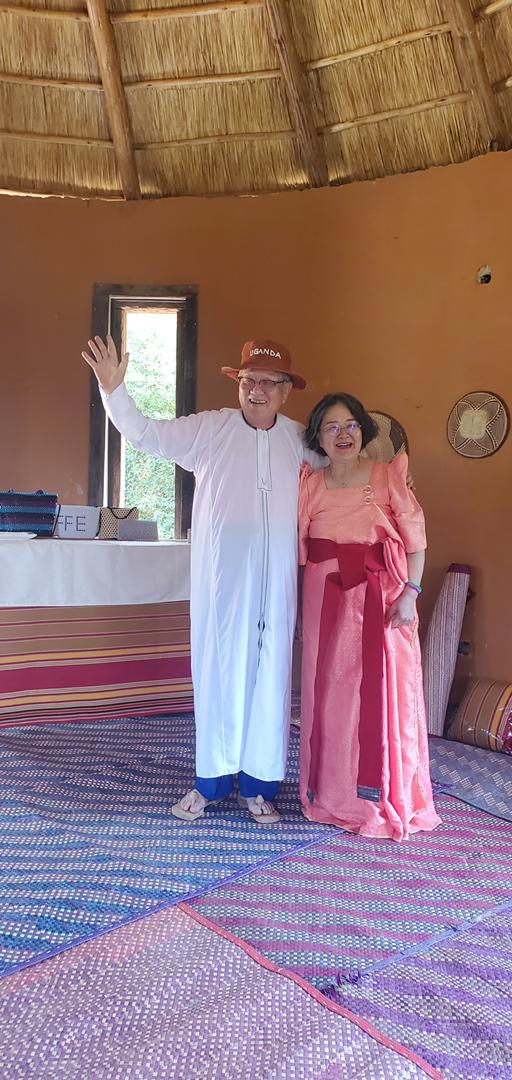
The Gomesi, also known as Busuuti, is the traditional dress of the Baganda people from the central region of Uganda, home to the powerful kingdom of Buganda Kingdom.
It is a long, colorful dress characterized by:
- Wide square neckline
- Puffy sleeves
- A sash tied around the waist
- Bright silk or cotton fabric
The Gomesi is commonly worn during traditional marriage ceremonies (Kwanjula), church weddings, cultural festivals, and royal functions. It symbolizes respect, femininity, and cultural pride.
2. Kanzu – The Traditional Men’s Attire
The Kanzu is the traditional outfit worn by men, especially among the Baganda and other Bantu-speaking communities. It is a long white robe, often paired with:
- A jacket or a suit coat
- A cap (especially during ceremonies)
The Kanzu is popular during weddings, religious events, and official gatherings. It represents dignity and formality in Ugandan culture.
3. Mushanana – Elegance of Western Uganda
The Mushanana is commonly worn by women in western Uganda, particularly among the Banyankole and Batoro communities.
It consists of:
- A long flowing dress
- A matching sash draped over one shoulder
This outfit is frequently worn during cultural ceremonies and weddings in western Uganda and reflects grace and modesty.
4. Suuka – A Symbol of Simplicity and Tradition
The Suuka is a wrap-around cloth traditionally worn by both men and women in different parts of Uganda, especially among Nilotic communities in the north and east.
It is simple yet culturally significant and is often worn during:
- Traditional dances
- Cultural rituals
- Community gatherings
5. Traditional Attire of the Karimojong
The Karimojong people from northeastern Uganda have distinct traditional clothing. Men and women wear brightly colored wraps, often accessorized with:
- Beaded necklaces
- Metal bangles
- Decorative belts
Their attire reflects their pastoral lifestyle and strong cultural identity.
Traditional Wear and Tourism in Uganda
Traditional attire plays a big role in Uganda’s tourism experience. Visitors attending:
- Cultural festivals
- Kingdom ceremonies
- Traditional weddings
- Community tours
often get opportunities to dress in Gomesi, Kanzu, or Mushanana for cultural immersion and photography.
At Adventrip, cultural tours can include visits to kingdoms, homesteads, and local communities where guests learn about the meaning behind these beautiful outfits.
Why Traditional Wear Still Matters Today
Despite modernization, traditional wear remains highly respected in Uganda. It is proudly worn during:
- Introduction ceremonies (Kwanjula)
- Graduation celebrations
- Cultural days in schools
- Religious and national events
For Ugandans, traditional clothing is not just fashion; it is identity, history, and honor.